About
Overview
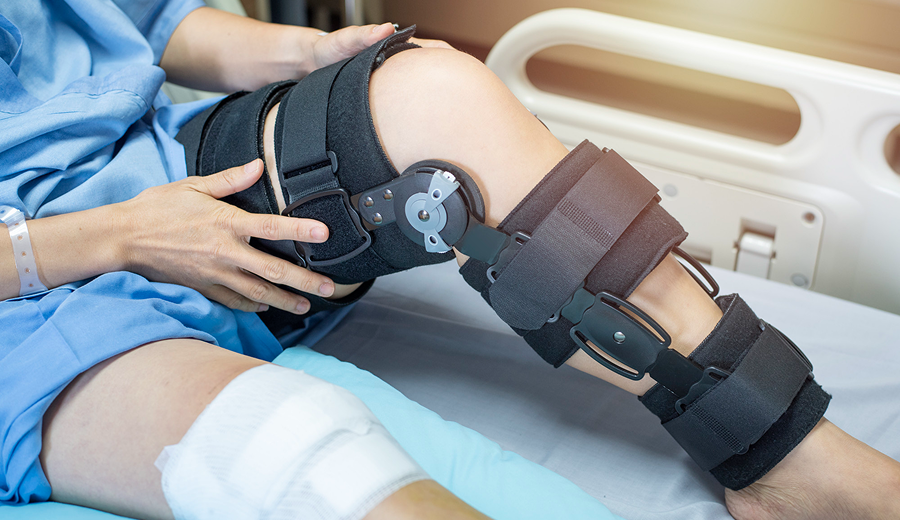

What is shoulder replacement surgery?
Shoulder replacement surgery is a joint replacement (arthroplasty) for your shoulder. Healthcare providers sometimes call it a total shoulder arthroplasty.
A surgeon will replace the bones and connective tissue in your natural shoulder joint with an artificial joint (a prosthesis). Prosthetic shoulders are made of metal and plastic.
Your shoulder is where your upper arm bone (humerus) connects to your shoulder blade (scapula). It’s a ball and socket joint. The ball-shaped top (head) of your humerus fits into the cup-shaped socket in your scapula (glenoid).
Partial shoulder replacement
Most people who need shoulder replacement surgery have a total arthroplasty. Your surgeon will replace the ball at the end of your humerus and the socket in your scapula it fits into.
Your surgeon may suggest a partial shoulder replacement if only one part of your shoulder is damaged enough to need surgery. They’ll most commonly replace just the ball, if your socket isn’t damaged. This is called a hemiarthroplasty.
Partial replacements are less common. That’s because most people who have arthritis or another issue that’s severe enough to need a shoulder replacement experience damage to the whole shoulder.
What does shoulder replacement surgery treat?
A healthcare provider might suggest shoulder replacement if nonsurgical treatments haven’t helped manage severe symptoms like:
- Limited mobility (trouble moving your shoulder)
- Shoulder pain
- Stiffness
- Swelling
Most people who need a shoulder replacement have shoulder arthritis, usually osteoarthritis or rheumatoid arthritis.
Your provider may also recommend shoulder replacement surgery if you have a severe rotator cuff tear or a health condition like avascular necrosis that affects your ability to use your shoulder.
Treatment Details
How should I prepare for shoulder replacement surgery?
Your healthcare provider or surgeon will help you get ready for surgery. You’ll need a few tests, including:
- A dental exam and cleaning to reduce your infection risk after the surgery
- A physical exam
- A shoulder X-ray and maybe a CT scan or an MRI
- An electrocardiogram (EKG)
- Blood tests
You may have to stop taking some medications or supplements before your surgery. Tell your provider or surgeon which prescription medications you take and over-the-counter supplements you use.
Most people need to avoid eating and drinking (fast) for eight hours before their surgery. Your surgeon will tell you when you should fast the day before your surgery. They’ll also let you know which medications are safe to take with a sip of water before your surgery.
What happens during shoulder replacement surgery?
Before your surgery, an anesthesiologist will give you anesthesia to numb your body and make sure you don’t feel any pain. They may give you general anesthesia to put you to sleep, a regional anesthesia that numbs your shoulder and the area around it, or a combination of the two.
During a shoulder replacement your surgeon will:
- Make a cut (incision) in the skin around your shoulder
- Remove the damaged bone and cartilage from your shoulder joint
- Install the prosthetic shoulder
- Realign your arm and shoulder and stitch the incision closed
How long does shoulder replacement take?
Shoulder replacement surgery usually takes around two hours. Your surgery may take more or less time depending on how damaged your natural joint is.
What are the benefits of shoulder replacement surgery?
Shoulder replacement surgery can drastically reduce the pain and other symptoms you feel in your shoulder. Most people can use their shoulders better or more effectively than they could before surgery (they have increased mobility).
What are the downsides of a shoulder replacement?
Shoulder replacement surgery is safe and effective. Rare complications can include:
- Blood clots
- Blood vessel damage
- Fractures in your shoulder around the implant
- Infection inside your shoulder or at your surgery site
- Nerve damage
- The prosthetic loosening, wearing out too soon or dislocating
What happens after shoulder replacement?
Your surgery care team will move you to a recovery room after your surgery. They’ll keep an eye on your vital signs and pain level while you recover from the anesthesia.
Some shoulder replacements are outpatient procedures (you can go home the same day). Your surgery may be inpatient, which means you’ll need to stay in the hospital at least overnight. Your care team will tell you when it’s safe for you to go home.
How long does it take to recover from shoulder replacement surgery?
It can take a few months to recover completely after shoulder replacement. Your surgery care team will put your arm in a sling after surgery. You’ll need to wear the sling for at least a few weeks.
Your surgeon will give you exercises and shoulder movements to start regaining strength and mobility in your shoulder. Do these exercises as often as your surgeon suggests. It’s important to help your shoulder stay mobile and flexible right after surgery and as it heals.
You’ll start physical therapy a few weeks later. A physical therapist will give you exercises and stretches to help you regain your range of motion (how far you can move your shoulder) and strengthen your shoulder muscles.
Having any type of surgery hurts. You’ll feel pain in your shoulder after surgery, especially in the first few weeks. Your shoulder will hurt from the surgery itself and as your body begins to heal.
Your surgeon will suggest a combination of prescription pain medication, over-the-counter NSAIDs (if it’s safe for you to take them) and acetaminophen to relieve your pain. Your surgeon will tell you how much of each kind of medication you can take each day or in a certain amount of time.
You may need to avoid intense activities like lifting heavy objects, playing sports or working out for a few months. Most people can resume light daily activities with their shoulders (like getting dressed and doing simple chores) after two or three weeks. You can gradually increase your activity level once your surgeon says it’s safe. Check with your surgeon before resuming any physical activity that uses your shoulder.
How long can shoulder replacements last?
A shoulder replacement usually lasts many years. Most people who have a shoulder replacement live with the prosthetic for at least 15 years. Many have it for the rest of their lives.
Permanent restrictions after shoulder replacement
Some people with a shoulder replacement can only lift a certain amount of weight. You’ll have a lifting restriction while you recover. You might need to limit how much you lift with your prosthetic shoulder permanently.
Your surgeon will tell you what to expect, and what’s safe to do with your shoulder.
When should I call my healthcare provider?
Call your healthcare provider or surgeon if you experience any of the following symptoms after surgery:
- Bleeding
- Chest pain
- Fever higher than 101 degrees Fahrenheit (39 degrees Celsius)
- New or worsening pain in your arm, hand or wrist
- Severe pain that doesn’t get better after you take pain medication
- Shortness of breath (dyspnea)
- Signs of infection at your surgery site including leaking, swelling, discoloration, odor or a feeling of warmth
Results
What happens after shoulder replacement?
Your surgery care team will move you to a recovery room after your surgery. They’ll keep an eye on your vital signs and pain level while you recover from the anesthesia.
Some shoulder replacements are outpatient procedures (you can go home the same day). Your surgery may be inpatient, which means you’ll need to stay in the hospital at least overnight. Your care team will tell you when it’s safe for you to go home.
How long does it take to recover from shoulder replacement surgery?
It can take a few months to recover completely after shoulder replacement. Your surgery care team will put your arm in a sling after surgery. You’ll need to wear the sling for at least a few weeks.
Your surgeon will give you exercises and shoulder movements to start regaining strength and mobility in your shoulder. Do these exercises as often as your surgeon suggests. It’s important to help your shoulder stay mobile and flexible right after surgery and as it heals.
You’ll start physical therapy a few weeks later. A physical therapist will give you exercises and stretches to help you regain your range of motion (how far you can move your shoulder) and strengthen your shoulder muscles.
Having any type of surgery hurts. You’ll feel pain in your shoulder after surgery, especially in the first few weeks. Your shoulder will hurt from the surgery itself and as your body begins to heal.
Your surgeon will suggest a combination of prescription pain medication, over-the-counter NSAIDs (if it’s safe for you to take them) and acetaminophen to relieve your pain. Your surgeon will tell you how much of each kind of medication you can take each day or in a certain amount of time.
You may need to avoid intense activities like lifting heavy objects, playing sports or working out for a few months. Most people can resume light daily activities with their shoulders (like getting dressed and doing simple chores) after two or three weeks. You can gradually increase your activity level once your surgeon says it’s safe. Check with your surgeon before resuming any physical activity that uses your shoulder.
How long can shoulder replacements last?
A shoulder replacement usually lasts many years. Most people who have a shoulder replacement live with the prosthetic for at least 15 years. Many have it for the rest of their lives.
Permanent restrictions after shoulder replacement
Some people with a shoulder replacement can only lift a certain amount of weight. You’ll have a lifting restriction while you recover. You might need to limit how much you lift with your prosthetic shoulder permanently.
Your surgeon will tell you what to expect, and what’s safe to do with your shoulder.
When should I call my healthcare provider?
Call your healthcare provider or surgeon if you experience any of the following symptoms after surgery:
- Bleeding
- Chest pain
- Fever higher than 101 degrees Fahrenheit (39 degrees Celsius)
- New or worsening pain in your arm, hand or wrist
- Severe pain that doesn’t get better after you take pain medication
- Shortness of breath (dyspnea)
- Signs of infection at your surgery site including leaking, swelling, discoloration, odor or a feeling of warmth
Doctors & Departments
Departments and Specialties
Astenortho has one of the largest and most experienced practices. Staff skilled in dozens of specialties work together to ensure quality care and successful recovery.
Departments with Related Expertise
Doctors Who Perform This Procedure
Care at Astenortho
Astenortho's Approach
Cutting-Edge Technology
AstenOrtho is Kerala’s Most Tech-Advanced Orthopaedic Hospital, with advanced robotics and some of the finest health-tech, which has proven time and again to give excellent patient outcomes. Our seasoned specialists combine their experience and AstenOrtho’s technological edge to keep evolving the AS.10 Robotic Precision Protocols; to keep pushing the bar of the care delivery models.
Collaboration
We host some of the best surgeons, specialists, therapists, and healthcare workers who work as one strong team to ensure best possible treatment outcomes, and ‘Zero Compromise Care’ for our patients at AstenOrtho.
Compassion
We understand the human urge of keep doing and wanting to do the things they love. At AstenOrtho, ‘Do What You Love’ is the core philosophy that drives us to ensure that we give our best shot in achieving the ‘Desired Mobility’, our patients need.
Experience and Patient Stories

Our Centres & Departments










Costs and Insurance
AstenOrtho is empanelled with leading insurance providers both within and outside India. For more details on a specific insurance provider or to understand the insurance process, you can write to us: hello@astenortho.com
Contents


