About
Overview
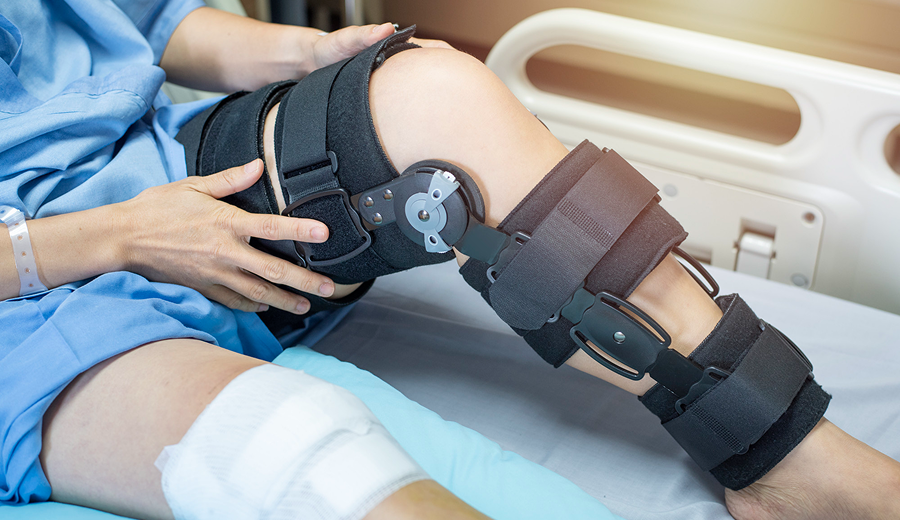

What is meniscus replacement (meniscus transplant)?
A meniscus replacement is surgery to replace a damaged or torn meniscus. The meniscus is a C-shaped piece of cartilage in the knee. You have two of them (menisci) in each knee, one on the inside and one on the outside. These rubbery pieces of cartilage cushion the knee joint and protect the leg bones as they move.
Providers also call this procedure meniscal allograft transplantation (MAT). Allograft tissue comes from a human donor. For this procedure, providers use a meniscus from a cadaver (deceased donor). Researchers are also studying the use of a prosthetic (human-made) meniscus.
A meniscal transplant replaces damaged cartilage, relieves knee pain and improves the way the knee works. It can also prevent osteoarthritis from developing early in life.
Recovery time is usually about a month or two. To give your knee time to heal properly, you may need to take a break from strenuous sports and some physical activities for up to one year.
Who gets a meniscus replacement?
A meniscus replacement isn’t right for everyone. To determine if you qualify for this procedure, your provider will consider several factors, including:
- Age, activity level and overall health: Surgeons usually perform this procedure on active people under age 40 or 50 who do not have knee arthritis. Teenagers can have the surgery, but providers usually recommend waiting until the bones finish growing. The surgery is more successful in people who are physically active and maintain a healthy weight.
- Anatomy of the knee: To be eligible for a meniscus transplant, you must be missing part of the meniscus or have a severe meniscus tear. But the other parts of your knee should not have damage. Your provider will examine your knee to check for proper alignment and stability in the ligaments (soft tissues that connect bones to bones).
- Arthritis: If you have arthritis, you may not qualify for a meniscus transplant. If cartilage in the knee has worn away too much, the procedure might not be successful.
Knee injuries in adolescents are common, especially during sports. Usually, the meniscus tears when someone twists the knee suddenly. If the damage is severe, providers may recommend removing the torn meniscus and replacing it with a healthy one.
What does a meniscus replacement treat?
Your provider may recommend this procedure if your meniscus is severely damaged or if you had your meniscus removed (meniscectomy) after a previous injury. Sometimes providers remove a meniscus if the damage is so severe that they can’t repair it. Living without a meniscus can increase your risk of osteoarthritis and chronic (long-term) knee pain.
A torn or injured meniscus can also lead to osteoarthritis. This condition happens when other cartilage in the knee wears away, causing pain and stiffness. A meniscal transplant can prevent or delay osteoarthritis from developing. But this procedure will not help people who already have knee pain from arthritis.
Treatment Details
What happens before a meniscus replacement?
For this procedure, providers use a meniscus from a human donor (cadaver). After removing it from the donor, providers freeze the meniscus to preserve it. Prior to surgery, providers test the meniscus for disease and measure its size and shape. They carefully select a meniscus that will fit properly into your knee.
To prepare for surgery, your provider will:
- Ask about medications you take. You may need to stop taking some medications (such as blood thinners) before surgery.
- Order an MRI or X-ray, if necessary. These imaging studies allow your provider to see detailed pictures of the inside of your knee.
- Tell you what time to stop eating and drinking the night before your procedure.
You have a meniscus transplant in an outpatient surgery center or a hospital. Right before your procedure, your provider will give you general anesthesia to put you to sleep. You won’t feel pain during knee surgery.
What happens during a meniscus replacement?
Surgeons usually perform a meniscus transplant using a common procedure called knee arthroscopy. Your provider inserts a tiny camera through a small incision. The camera shows images of the inside of your knee on a screen in the operating room.
Using the images as a guide, your provider inserts tiny tools into another incision. Your provider removes any part of the meniscus that’s still in the knee and puts the healthy meniscus in place. They use sutures (stitches) or screws to connect the meniscus to the shinbone and the knee joint capsule.
Your provider uses stitches to close your incisions. They wrap your knee with a bandage or dressing.
What happens after a meniscus replacement?
Ask your provider when you can go home after surgery and how to care for your incision. You may be able to go home the same day, or you may need a short stay in the hospital. As you recover, you’ll need to use crutches for about four to six weeks. You’ll also need to stabilize your knee in a brace to avoid moving it.
Meniscus surgery recovery includes rest and physical therapy (PT). When you’re ready, your provider will recommend a customized PT program. Special exercises and stretches will strengthen the muscles around your knee and improve your range of motion.
Risks / Benefits
What are the advantages of meniscus replacement?
Because a meniscus transplant is a minimally invasive procedure, it requires less recovery time than traditional (open) surgery. A meniscus transplant can help younger, physically active people return to activities without pain. It can also help prevent osteoarthritis from developing as a result of a damaged meniscus.
What are the risks or complications of meniscus replacement?
Complications from a meniscus transplant are rare. As with any surgery, risks include bleeding and infection. After the procedure, some people have:
- Damage to blood vessels and soft tissues in the knee, including nerve damage.
- Knee stiffness.
- Problems with healing (some people need a second surgery).
Recovery
What is the outlook for people who have a meniscus replacement?
The outlook for meniscus transplants varies. A successful meniscus transplant depends on several factors, including:
- The size, shape and placement of the transplanted tissue.
- Your commitment to a PT program following surgery.
- Your overall health, the alignment of your ligaments and the condition of your knee. After a meniscus replacement, some people tear the new meniscus and need another surgery. Most commonly, this secondary surgery is a debridement (a procedure to remove other torn or damaged cartilage).
When can I go back to my usual activities after a meniscus replacement?
Ask your provider when you can return to the activities you enjoy. Most people need to rest and stay off their feet as much as possible for about two weeks after meniscus transplant surgery. To give your new meniscus time to heal properly, you may need to take a break from sports or strenuous activities for six to 12 months.
When To Call the Doctor
When should I see my surgeon about a meniscus transplant?
Call your provider if you have:
- Bleeding.
- Pain that is severe or doesn’t go away with pain relief medications.
- Signs of infection, including fever, severe swelling or drainage (pus) from the incisions.
Doctors & Departments
Departments and Specialties
Astenortho has one of the largest and most experienced practices. Staff skilled in dozens of specialties work together to ensure quality care and successful recovery.
Departments with Related Expertise
Doctors Who Perform This Procedure
Care at Astenortho
Astenortho's Approach
Cutting-Edge Technology
AstenOrtho is Kerala’s Most Tech-Advanced Orthopaedic Hospital, with advanced robotics and some of the finest health-tech, which has proven time and again to give excellent patient outcomes. Our seasoned specialists combine their experience and AstenOrtho’s technological edge to keep evolving the AS.10 Robotic Precision Protocols; to keep pushing the bar of the care delivery models.
Collaboration
We host some of the best surgeons, specialists, therapists, and healthcare workers who work as one strong team to ensure best possible treatment outcomes, and ‘Zero Compromise Care’ for our patients at AstenOrtho.
Compassion
We understand the human urge of keep doing and wanting to do the things they love. At AstenOrtho, ‘Do What You Love’ is the core philosophy that drives us to ensure that we give our best shot in achieving the ‘Desired Mobility’, our patients need.
Experience and Patient Stories

Our Centres & Departments










Costs and Insurance
AstenOrtho is empanelled with leading insurance providers both within and outside India. For more details on a specific insurance provider or to understand the insurance process, you can write to us: hello@astenortho.com
Contents


