About
Overview

What Is Flat Foot?
Flat Foot—also known as Progressive Collapsing Foot Deformity (PCFD) or Adult Acquired Flatfoot Deformity (AAFD)—occurs when the arch of the foot gradually collapses. This causes the foot to roll inward, leading to pain, deformity, imbalance, and difficulty in daily activities. The condition may be flexible in early stages and become rigid in advanced stages.
Who Needs Treatment?
You may require evaluation or treatment if you experience:
- Pain in the foot, arch, or ankle.
- Fatigue or discomfort while walking or standing.
- Heel tilting outward (hindfoot valgus).
- Flattening of the arch.
- Difficulty standing or walking for long periods.
- Swelling along the inside of the ankle.
- Difficulty fitting into regular footwear.
Treatment depends on the severity of the deformity:
Conservative Management
- Custom-made Orthotic Insoles – helps support the arch and correct alignment.
- Physiotherapy – strengthens supporting muscles and improves balance.
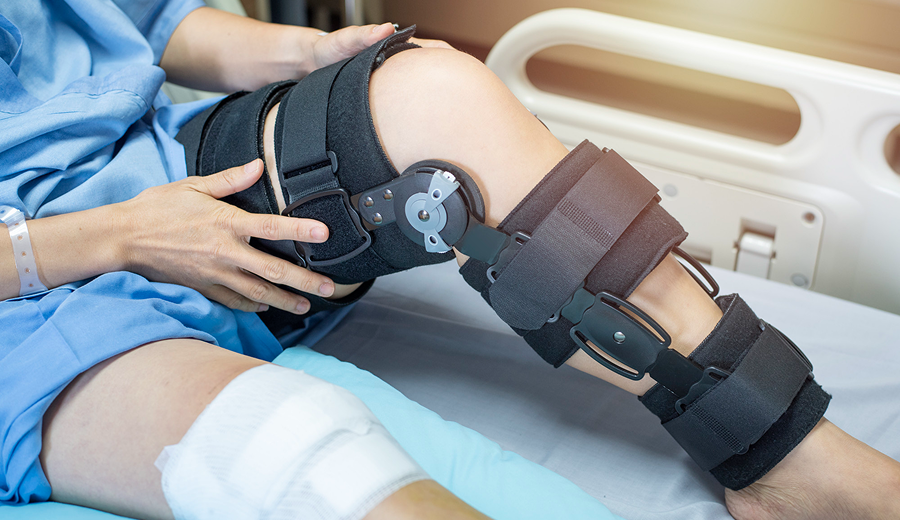
- Bracing – useful for moderate deformities or to relieve symptoms.
- Activity Modification – reducing prolonged standing or heavy workloads.
Surgical Options (Flatfoot Reconstruction)
Recommended when:
- The deformity is advanced.
- Conservative treatment fails.
- There is progressive pain, instability, or difficulty walking.
Flatfoot reconstruction may include:
- Medial displacement calcaneal osteotomy.
- Spring ligament repair.
- Flexor digitorum longus (FDL) tendon transfer.
- Gastrocnemius recession.
- Lateral column lengthening, etc.
Your surgeon will choose the appropriate combination based on the stage of deformity.
Procedure Details
How Do I Prepare for Flatfoot Reconstruction?
- Clinical examination, X-rays, or advanced imaging (CT/MRI) to assess deformity.
- Review of medications and comorbidities.
- You may be advised to stop smoking for better healing.
- Pre-operative physiotherapy to strengthen leg muscles.
- Instructions on fasting and hospital admission.
- Planning your postoperative non-weight-bearing phase at home.
What Happens During This Procedure?
- Performed under spinal or general anesthesia.
- Incisions are made depending on the type of reconstruction needed.
- Bones may be cut and repositioned to restore arch alignment (osteotomies).
- Damaged or weak tendons/ligaments are repaired or reinforced.
- Tight calf muscles may be lengthened if required.
- Surgical fixation using screws, plates, or anchors.
- A cast or boot is applied at the end.
What Happens After This Procedure?
- You may stay in the hospital for 2-3 days.
- The foot is protected in a cast or boot.
- No weight-bearing for 6 weeks (varies by procedure).
- Gradual weight-bearing starts after early healing.
- Physiotherapy begins to restore movement and strength.
- Regular follow-ups with X-rays to monitor bone healing.
How Long Is Recovery After This Procedure?
- Initial recovery: 6–8 weeks (bone healing).
- Full recovery: 4–6 months depending on procedure complexity.
- Most patients return to normal walking with improved alignment and no pain.
- High-impact sports may take longer and may not be advisable for all patients.
When Should I Call My Healthcare Provider After This Procedure?
Seek medical attention if you notice:
- Excessive swelling, redness, or worsening pain.
- Fever or chills.
- Numbness, tingling, or changes in toe/foot color.
- Leakage from the wound or opening of stitches.
- Inability to move the foot or toes.
- Any concerns with the cast/boot.
Doctors & Departments
Departments and Specialties
Astenortho has one of the largest and most experienced practices. Staff skilled in dozens of specialties work together to ensure quality care and successful recovery.
Departments with Related Expertise
Doctors Who Perform This Procedure
Care at Astenortho
Astenortho's Approach
Cutting-Edge Technology
AstenOrtho is Kerala’s Most Tech-Advanced Orthopaedic Hospital, with advanced robotics and some of the finest health-tech, which has proven time and again to give excellent patient outcomes. Our seasoned specialists combine their experience and AstenOrtho’s technological edge to keep evolving the AS.10 Robotic Precision Protocols; to keep pushing the bar of the care delivery models.
Collaboration
We host some of the best surgeons, specialists, therapists, and healthcare workers who work as one strong team to ensure best possible treatment outcomes, and ‘Zero Compromise Care’ for our patients at AstenOrtho.
Compassion
We understand the human urge of keep doing and wanting to do the things they love. At AstenOrtho, ‘Do What You Love’ is the core philosophy that drives us to ensure that we give our best shot in achieving the ‘Desired Mobility’, our patients need.
Experience and Patient Stories

Our Centres & Departments









Costs and Insurance
AstenOrtho is empanelled with leading insurance providers both within and outside India. For more details on a specific insurance provider or to understand the insurance process, you can write to us: hello@astenortho.com
Contents


