

N

Neuropathy, diabetic
Diabetic neuropathy is a type of nerve damage that can happen with diabetes. Blood sugar, also called glucose, becomes high because of diabetes. Over time, high blood sugar can injure nerves throughout the body. Diabetic neuropathy most often damages nerves in the legs and feet.
Neuropathy, hereditary motor and sensory
Charcot (shahr-KOH)-Marie-Tooth disease is a group of inherited conditions that cause nerve damage. Inherited conditions pass down through families. This damage mainly is in the nerves of the arms and legs, called the peripheral nerves. Charcot-Marie-Tooth disease also is called hereditary motor and sensory neuropathy.
Nose fracture
A broken nose, also called a nasal fracture, is a crack or break in one of the bones in the nose. Typically, the bone at the bridge of your nose is the one that breaks.
O
Osteoarthritis
Osteoarthritis is the most common form of arthritis, affecting millions of people worldwide. It happens when the protective cartilage that cushions the ends of the bones wears down over time.
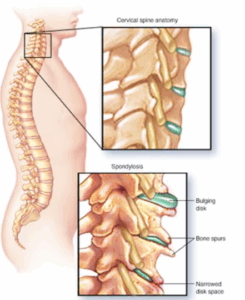
Osteoarthritis, cervical
Cervical spondylosis is a general term for age-related wear and tear affecting the spinal disks in your neck. As the disks dehydrate and shrink, signs of osteoarthritis develop, including bony projections along the edges of bones, known as bone spurs.
Osteochondritis Dissecans (OCD)
Osteochondritis dissecans (os-tee-o-kon-DRY-tis DIS-uh-kanz) is a joint condition in which bone underneath the cartilage of a joint dies due to lack of blood flow. This bone and cartilage can then break loose, causing pain and possibly hindering joint motion.
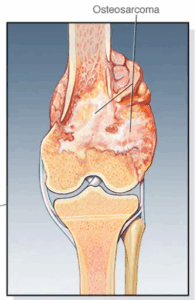
Osteogenic sarcoma
Osteosarcoma is a kind of cancer that begins in the cells that form bones. Osteosarcoma tends to happen most often in teenagers and young adults. But it also can happen in younger children and older adults.
Osteomyelitis
Osteomyelitis is an infection in a bone. It can affect one or more parts of a bone. Infections can reach a bone through the bloodstream or from nearby infected tissue. Infections also can begin in the bone if an injury opens the bone to germs.


