

P
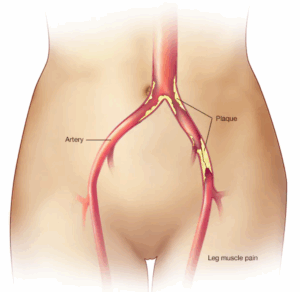
Peripheral artery disease
Peripheral artery disease (PAD) is a common condition in which narrowed arteries reduce blood flow to the arms or legs.

Peroneal muscular atrophy
Charcot (shahr-KOH)-Marie-Tooth disease is a group of inherited conditions that cause nerve damage. Inherited conditions pass down through families. This damage mainly is in the nerves of the arms and legs, called the peripheral nerves. Charcot-Marie-Tooth disease also is called hereditary motor and sensory neuropathy.

Pes planus
Flatfeet is a common condition, also known as flatfoot, in which the arches on the inside of the feet flatten when pressure is put on them. When people with flatfeet stand up, the feet point outward, and the entire soles of the feet fall and touch the floor.
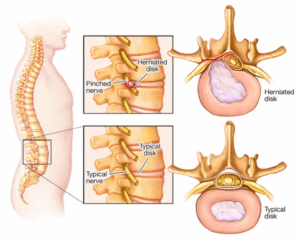
Pinched nerve
A pinched nerve occurs when too much pressure is applied to a nerve by surrounding tissues, such as bones, cartilage, muscles or tendons. This pressure can cause pain, tingling, numbness or weakness.
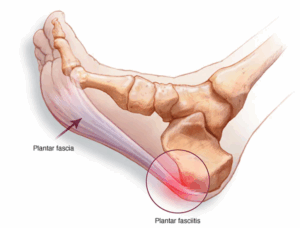
Plantar fasciitis
Plantar fasciitis (PLAN-tur fas-e-I-tis) is one of the most common causes of heel pain. It involves inflammation of a thick band of tissue that runs across the bottom of each foot and connects the heel bone to the toes, known as the plantar fascia.
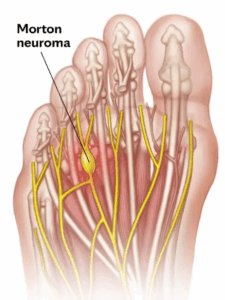
Plantar neuroma
Morton neuroma is a damaged, enlarged nerve that causes pain on the bottom of the forefoot, usually in the area behind the third and fourth toes. The pain is usually sharp or burning. There may be pain, tingling or numbness spreading into these toes.
Polio
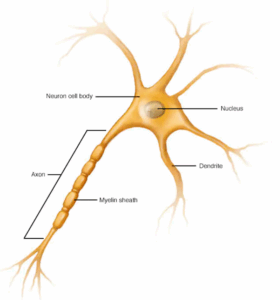
Polio is an illness caused by a virus that mainly affects nerves in the spinal cord or brain stem. In its most severe form, polio can lead to a person being unable to move certain limbs, also called paralysis. It can also lead to trouble breathing and sometimes death. The disease also is called poliomyelitis.

Popliteal artery entrapment
Popliteal artery entrapment syndrome, also called PAES, is an uncommon condition that affects the main artery behind the knee. That artery is the popliteal artery. In this condition, the calf muscle is in the wrong position or is larger than usual. The muscle presses on the artery. The artery becomes trapped, making it harder for blood to flow to the lower leg and foot.


