

S
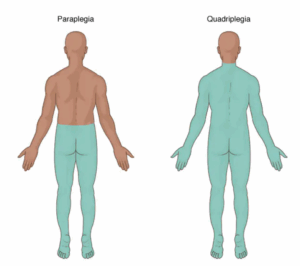
Spinal cord injury
A spinal cord injury involves damage to any part of the spinal cord. It also can include damage to nerves at the end of the spinal cord, known as the cauda equina.
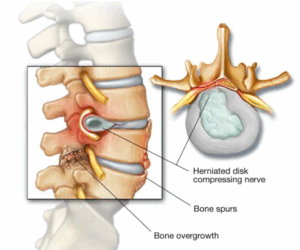
Spinal Stenosis
Spinal stenosis happens when the space inside the backbone is too small. This can put pressure on the spinal cord and nerves that travel through the spine. Spinal stenosis happens most often in the lower back and the neck.
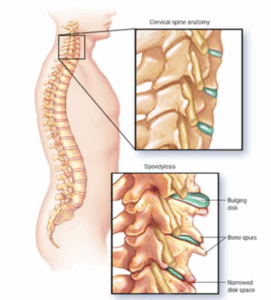
Spondylosis ,cervical
Cervical spondylosis is a general term for age-related wear and tear affecting the spinal disks in your neck. As the disks dehydrate and shrink, signs of osteoarthritis develop, including bony projections along the edges of bones, known as bone spurs.
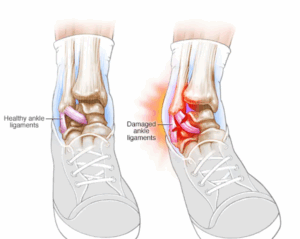
Sprained ankle
A sprained ankle is an injury that occurs when you roll, twist or turn your ankle in an awkward way. This can stretch or tear the tough bands of tissue (ligaments) that help hold your ankle bones together.
Sprains
A sprain is a stretching or tearing of ligaments — the tough bands of fibrous tissue that connect two bones together in your joints. The most common location for a sprain is in your ankle.

Stress fractures
Stress fractures are tiny cracks in a bone. Repeated stress to the bone causes them. The stress often comes from using the same body part too much.
T
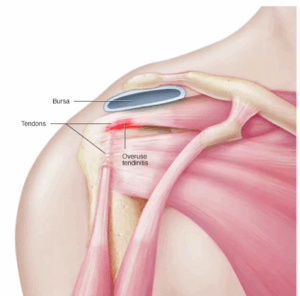
Tendinitis (all)
Tendinitis is inflammation of the thick fibrous cords that attach muscle to bone. These cords are called tendons. The condition causes pain and tenderness just outside a joint.
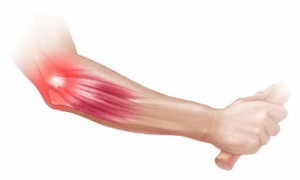
Tendinopathy
Tendinopathy is a term for any condition that affects a tendon. Tendons are cords that attach muscle to bone. Tendinopathy, which can cause pain and tenderness, is common. It is often caused by overuse or repeated movement and tends to affect certain tendons in the arm or leg.


