

L
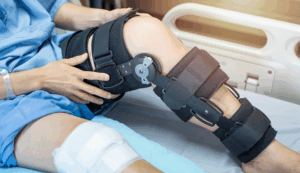
Leg fracture / broken leg
Treatment of a broken leg depends on the location and severity of the injury. A severely broken leg may require metal pins and plates to hold the fragments together. Less severe breaks may be treated with a cast or splint. In all cases, prompt diagnosis and treatment are critical to complete healing.

Legg-Calve-Perthes disease
Legg-Calve-Perthes (LEG-kahl-VAY-PER-tuz) disease is a childhood condition that occurs when blood supply to the ball part (femoral head) of the hip joint is temporarily interrupted and the bone begins to die.
M
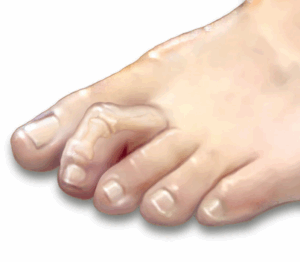
Mallet toe and hammer toe
Hammertoe and mallet toe are foot conditions that cause a bend that is not usual in a toe or toes. Wearing shoes that don't fit well can cause hammertoe and mallet toe. Other causes are foot injury and certain illnesses, such as diabetes. Often the cause isn't known.
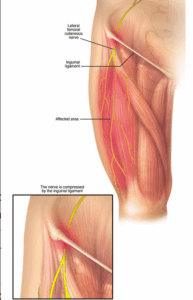
Meralgia paresthetica
Meralgia paresthetica is a condition that causes tingling, numbness and burning pain in the outer thigh. It's caused by compression of the nerve that provides feeling to the skin covering the thigh.
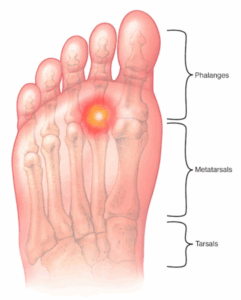
Metatarsalgia
Metatarsalgia (met-uh-tahr-SAL-juh) is a condition in which the ball of the foot becomes painful and irritated. Metatarsalgia results from activities that involve running and jumping.
Methicillin- resistant staphylococcus aureus infection
Methicillin-resistant Staphylococcus aureus (MRSA) infection is caused by a type of staph bacteria that's become resistant to many of the antibiotics used to treat ordinary staph infections.
Mixed connective tissue disease
Mixed connective tissue disease, also called MCTD, has symptoms of more than one rheumatic condition. These conditions include lupus, scleroderma and myositis. Many people who have mixed connective tissue disease also have inflammatory arthritis and Sjogren syndrome. Mixed connective tissue disease is not common.
Morton’s neuroma
Morton neuroma is a damaged, enlarged nerve that causes pain on the bottom of the forefoot, usually in the area behind the third and fourth toes. The pain is usually sharp or burning. There may be pain, tingling or numbness spreading into these toes.


