About
Overview

Ulnar wrist pain is pain on the side of your wrist opposite the thumb. The ulna is one of two forearm bones. Wrist pain can vary, depending on the cause. Ulnar wrist pain can be linked to many different types of injuries, including problems with the bones, tendons and ligaments.
Symptoms
Symptoms of ulnar wrist pain may include:
- Pain that worsens when gripping something or twisting the wrist.
- Loss of strength when trying to grip firmly.
- Trouble moving the wrist or rotating the forearm.
- A popping or clicking sound when moving the wrist.
Why it happens / Causes
Because so many factors can lead to wrist pain, it can be difficult to diagnose. Common causes of ulnar wrist pain include:
- Sudden impacts. A common cause of wrist injuries is a fall onto an outstretched hand. This can cause sprains, strains and even fractures.
- Repetitive stress. Any activity that involves wrist motion done over and over can inflame the tissues around the joint or cause stress fractures. The risk of injury is increased when you perform the movement for hours on end without a break.
- Arthritis. This can cause swelling and stiffness in the wrist. Both osteoarthritis and rheumatoid arthritis can cause wrist pain.
Risks & complications
Sports participation, repetitive work, and certain diseases and conditions can put you at risk for ulnar wrist pain.
- Sports participation. Wrist injuries are common in many sports, both those that involve impact and those that put repetitive stress on the wrist. These can include football, golf, tennis and pickleball.
- Repetitive work. People who regularly use a computer mouse or keyboard are at risk. Carpenters and plumbers may develop ulnar wrist pain because they often use tools in small spaces, causing awkward positioning of the wrist.
- Other diseases and conditions. People with generally loose ligaments, osteoarthritis, rheumatoid arthritis or gout also are at risk.
How you prepare & self-care
To diagnose the underlying cause of ulnar wrist pain, your healthcare professional may do a physical exam. The exam involves moving your wrist or hand into different positions to see what hurts. The exam also checks your range of motion and grip strength.
Imaging tests may be needed, including:
- X-ray. This is the most commonly used test for wrist pain. Using a small amount of radiation, X-rays can reveal bone fractures or signs of osteoarthritis.
- CT. This scan can give more-detailed views of the bones in the wrist and may spot fractures that don’t show up on X-rays.
- MRI. This test uses radio waves and a strong magnetic field to produce detailed images of the bones and soft tissues. For a wrist MRI, you may be able to insert your arm into a smaller device instead of a whole-body MRI machine.
- Ultrasound. This simple, noninvasive test can help examine tendons, ligaments and cysts.
Treatment
Treatment for ulnar wrist pain may vary depending on the type of injury and how serious it is.
Medicines
Pain relivers you can buy without a prescription, such as ibuprofen (Advil, Motrin IB, others) and acetaminophen (Tylenol, others), may help reduce wrist pain. Stronger pain relievers are available by prescription.
Physical therapy
Therapy exercises can help strengthen tendons and ligaments. A physical therapist also can help teach ways to change activities to relieve stress on the wrist.
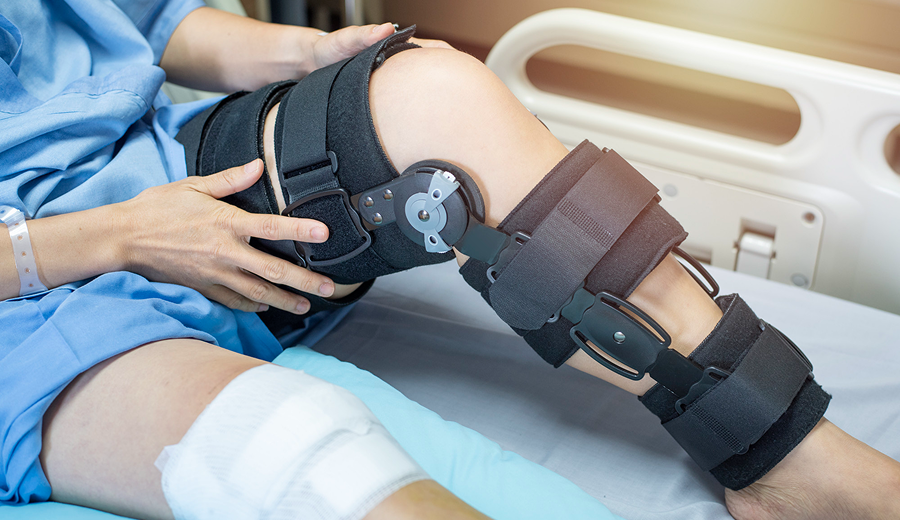
Sometimes, the wrist is immobilized using a cast, brace or splint to allow the injury to heal.
Surgery
Treatment for some types of ulnar wrist pain can include surgery. Minimally invasive surgical methods may be used and can speed recovery. In minimally invasive surgery, surgeons use various ways to operate with less damage to the body than with open surgery. This can mean less pain, a shorter hospital stay and fewer complications.
Preparing for your appointment
You may start by seeing your primary healthcare professional. Or you may be referred immediately to a specialist in orthopedics or sports medicine.
Here’s some information to help you get ready for your appointment.
What you can do
When you make the appointment, ask if there’s anything you need to do in advance. Make a list of:
- Your symptoms, including any that seem unrelated to the reason for your appointment.
- Key personal information, including major stresses, recent life changes and family medical history.
- All medications, vitamins or other supplements you take, including the doses.
- Questions to ask your healthcare team.
Take a family member or friend along, if possible, to help you remember the information you’re given.
For ulnar wrist pain, some basic questions to ask your doctor include:
- What’s likely causing my symptoms?
- Other than the most likely cause, what are other possible causes for my symptoms?
- What tests do I need?
- Is my condition likely temporary or chronic?
- What’s the best course of action?
- Are there restrictions that I need to follow?
- Should I see a specialist?
- Are there brochures or other printed material that I can have? What websites do you recommend?
Don’t hesitate to ask other questions.
What to expect from your doctor
Your healthcare professional is likely to ask you several questions, such as:
- When did your symptoms begin?
- Have your symptoms been continuous or occasional?
- How serious are your symptoms?
- What, if anything, seems to improve your symptoms?
- What, if anything, seems to worsen your symptoms?
What you can do in the meantime
Avoid doing anything that seems to worsen your signs and symptoms.
Doctors & Departments
Departments and Specialties
Astenortho has one of the largest and most experienced practices. Staff skilled in dozens of specialties work together to ensure quality care and successful recovery.
Doctors Who Perform This Procedure

Dr. Puneeth
Specialities: Complex trauma Deformity correction Limb Lengthening Knee preservation
Book now

Dr. Saraswati Viswanathan
MBBS, MS
Specialities: Paediatric orthopaedics. Clubfoot. Limb length discrepancy. Deformities.
Book now

Dr. Darshan Kumar
MBBS, MS Ortho, FNB( Hand & Micro Surgery), PGDHHM, Diploma In Tissue Bank(Nus)
Specialities: Specialities:Robotic Knee Suregery, External fixation, Robotic Knee Suregery External fixation
Book now


Dr. Vasudevan
MBBS, MS, D Orth, DNB, Mch
Specialities: Specialities:Robotic Knee Suregery, External fixation
Book now

Research
Astenortho doctors have published extensively on improving knee replacement care. Research topics include new implant materials, robot-assisted techniques and improvements in pain management after surgery.
Publications
See a list of publications about knee replacement by Astenortho doctors on PubMed, a service of the National Library of Medicine.
Costs and Insurance
AstenOrtho is empanelled with leading insurance providers both within and outside India. For more details on a specific insurance provider or to understand the insurance process, you can write to us at: hello@astenortho.com
Contents


