About
Overview
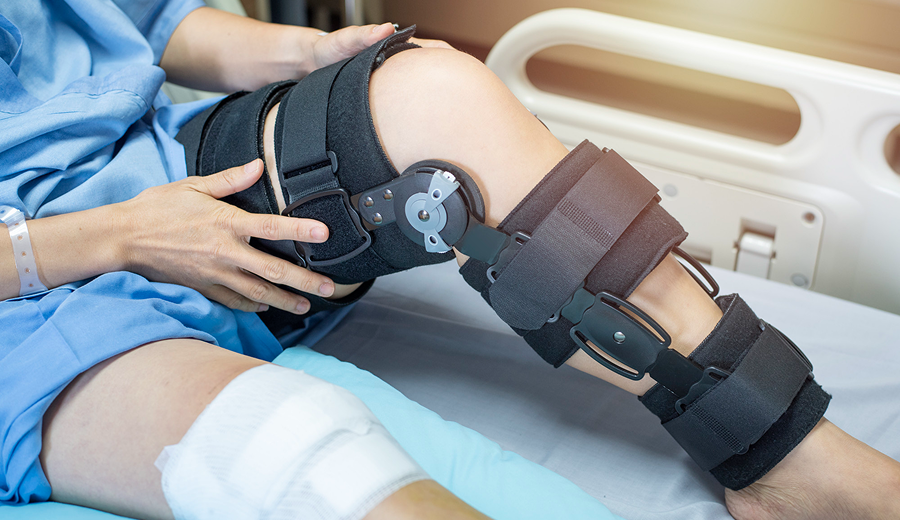

What Is Charcot Foot?
Charcot Arthropathy (Charcot Foot) is a serious complication of diabetes caused by severe nerve damage (neuropathy).
Because the foot loses sensation, repeated unnoticed injuries cause the bones to weaken, fracture, and eventually collapse, leading to severe deformity.
Early diagnosis and treatment are critical to prevent ulcers and amputations.
Warning Signs that May Indicate You Need Treatment:
Seek medical evaluation immediately if you notice:
- Persistent swelling of the foot or ankle.
- Warmth compared to the opposite foot.
- Redness or inflammation.
- Sudden change in foot shape or deformity.
- Instability while walking.
- Minimal or no pain despite major changes (due to neuropathy).
These symptoms often mimic infection, so proper evaluation by a foot & ankle specialist is essential.
Treatment Options
- Offloading / Total Contact Casting (TCC).
- Gold-standard treatment in the acute stage.
- Reduces pressure on fragile bones.
- Allows gradual healing and prevents collapse.
- Bracing.
- Used after swelling settles.
- Custom AFO or CROW boots help stabilize the foot.
- Allows safe walking while preventing further deformity.
- Reconstruction / Fusion Surgery.
Considered in advanced or unstable deformities:
- Realignment of collapsed bones.
- Fusion of unstable joints.
- Internal or external fixation (plates, screws, or Ilizarov).
- Goal is to create a plantigrade, braceable foot that allows safe and comfortable walking.
Goal of Treatment
- Prevent deformity progression.
- Avoid ulcers and recurrent wounds.
- Reduce risk of infections and amputations.
- Restore stability and alignment.
- Provide a braceable, plantigrade (flat and functional) foot for long-term mobility.
Procedure Details
How Do I Prepare for Charcot Reconstruction / Fusion?
- Detailed evaluation with X-rays, CT scan, and vascular assessment.
- Optimization of blood sugar levels.
- Review of medical history (diabetes, kidney issues, heart conditions).
- Smoking cessation to improve healing.
- Footwear and bracing assessment.
- Counselling regarding prolonged recovery period.
What Happens During This Procedure?
- Surgery is performed under regional or general anesthesia.
- Bones are realigned to restore proper foot shape.
- Fusion of unstable joints using plates, screws, rods, or external fixators.
- Correction may involve removing bony prominences to prevent ulcers.
- Dressing, splint, or external fixator applied at the end.
What Happens After This Procedure?
- Hospital stay for 2–4 days depending on the procedure.
- Strict non-weight-bearing initially.
- Cast or external fixator care instructions are provided.
- Gradual protected weight-bearing based on healing progress.
- Regular follow-up with X-rays to monitor bone fusion.
- Long-term use of custom footwear or brace may be required.
How Long Is Recovery After This Procedure?
- Early recovery: 8–12 weeks.
- Full recovery and bone fusion: 3–6 months.
- Longer recovery expected in severe deformities or poor bone quality.
- Most patients regain stable, ulcer-free, braceable mobility.
When Should I Call My Healthcare Provider After This Procedure?
Contact your surgeon if you notice:
- Fever, chills, or signs of infection.
- Increased redness, swelling, or discharge.
- New wounds or ulcers.
- Sudden deformity or instability.
- Numbness, discoloration, or cold toes.
- Issues with cast, boot, or external fixator.
Doctors & Departments
Departments and Specialties
Astenortho has one of the largest and most experienced practices. Staff skilled in dozens of specialties work together to ensure quality care and successful recovery.
Departments with Related Expertise
Doctors Who Perform This Procedure
Care at Astenortho
Astenortho's Approach
Cutting-Edge Technology
AstenOrtho is Kerala’s Most Tech-Advanced Orthopaedic Hospital, with advanced robotics and some of the finest health-tech, which has proven time and again to give excellent patient outcomes. Our seasoned specialists combine their experience and AstenOrtho’s technological edge to keep evolving the AS.10 Robotic Precision Protocols; to keep pushing the bar of the care delivery models.
Collaboration
We host some of the best surgeons, specialists, therapists, and healthcare workers who work as one strong team to ensure best possible treatment outcomes, and ‘Zero Compromise Care’ for our patients at AstenOrtho.
Compassion
We understand the human urge of keep doing and wanting to do the things they love. At AstenOrtho, ‘Do What You Love’ is the core philosophy that drives us to ensure that we give our best shot in achieving the ‘Desired Mobility’, our patients need.
Experience and Patient Stories

Our Centres & Departments










Costs and Insurance
AstenOrtho is empanelled with leading insurance providers both within and outside India. For more details on a specific insurance provider or to understand the insurance process, you can write to us: hello@astenortho.com
Contents


