About
Overview
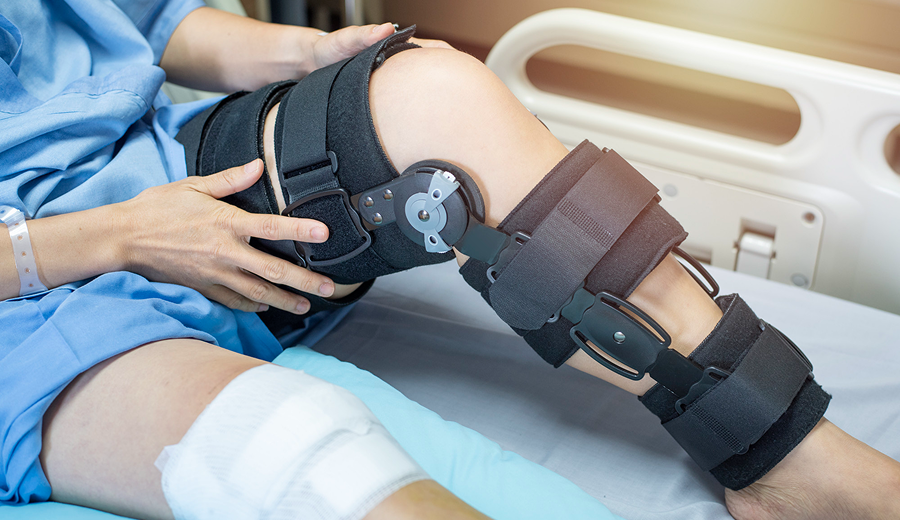

What is hydrotherapy?
Hydrotherapy is any method that uses water to treat a variety of symptoms throughout your body. You might see it called water therapy, aquatic therapy, pool therapy or balneotherapy.
Hydrotherapy can be as simple as taking a warm bath at home or using a special tank or pool. The term “hydrotherapy” also includes the use of pressurized jets, hot and cold temperatures and ice packs.
Healthcare providers have used water to treat injuries and diseases as far back as the beginning of recorded history. In the last 20 years, medical experts have started studying hydrotherapy as an evidence-based treatment for some conditions and symptoms. Studies have found that hydrotherapy can be a great option to alleviate symptoms like muscle pain and joint stiffness.
Hydrotherapy is an alternative (naturopathic or nonpharmaceutical) treatment, which means it’s not regulated by the U.S. Food and Drug Administration (FDA).
Even though there are legitimate benefits that experts have studied, hydrotherapy is sometimes marketed as a cure-all in ways that aren’t accurate. It can even be unsafe. Because of these risks, it’s important to talk to a healthcare provider before adding any new treatments to your routine for managing your symptoms or conditions.
If you choose to use hydrotherapy, make sure you’re receiving it from a reputable clinic and provider.
Who needs hydrotherapy?
Technically, nobody needs hydrotherapy. It’s not a standard treatment for any disease, condition or symptom. As it becomes more widely studied, experts are learning what it is and isn’t effective in treating.
If you’re interested in hydrotherapy, talk to a provider about it and how it might benefit you, which types of aquatic therapy may be right for you and what you need to know before starting them.
Why is hydrotherapy used?
Hydrotherapy is primarily used to relieve symptoms like pain and stiffness. Your provider might suggest a form of hydrotherapy as part of your broader treatment or symptom management plan.
Hydrotherapy may help people with these symptoms feel better:
- Pain
- Stiffness
- Bruising
- Swelling
- Muscle pain
- Menstrual pain
What does hydrotherapy treat?
People with several conditions may benefit from using water in different forms and at different temperatures to feel better. Hydrotherapy can provide symptomatic relief to people with the following conditions:
- Osteoarthritis
- Fibromyalgia
- Parkinson’s disease
- Neuropathy
- Ankylosing spondylitis (AS)
- Multiple sclerosis (MS)
- Cerebral palsy
It’s important to remember that hydrotherapy doesn’t cure any of these conditions. It shouldn’t take the place of any treatments or medications your healthcare provider prescribes to you. In most cases, hydrotherapy helps people feel better by temporarily relieving pain, stiffness and swelling.
It’s never a bad thing to find a safe way to feel better, but you shouldn’t expect hydrotherapy to cure any condition — especially more serious chronic diseases.
Hydrotherapy for burns
Hydrotherapy can help people with burn injuries. Jets of water are an effective and safe way to clean wounds and burned skin. Treating burns with pressurized water can also help reduce:
- Pain
- Redness
- Scarring
- Permanent discoloration
Hydrotherapy and physical therapy
Hydrotherapy can be a good supplement to physical therapy as you recover from an injury or surgery. Moving in water provides a low-resistance way to exercise safely. You’ve probably heard of water aerobics or swimming as a great option for people who experience pain from other types of workouts.
Always talk to your surgeon or provider before resuming any physical activity after a surgery. Hydrotherapy tanks, pools or tubs can increase your risk of infection. You might also need to wait a set amount of time after your surgery before you can get your incision site wet.
Hydrotherapy and pregnancy
Hydrotherapy has been shown to be beneficial during pregnancy. One study found that pregnant women with high blood pressure might be able to reduce their risk for complications like preeclampsia with regular hydrotherapy sessions.
You might choose to labor in warm water, which can increase your comfort and decrease pain and anxiety.
Talk to your healthcare provider about what you want to include in your pregnancy and labor plan.
Hydrotherapy and weight loss
Hydrotherapy on its own doesn’t cause, stimulate or improve weight loss. However, exercise plans that include working out in water can help you lose weight and improve your overall health.
How common is hydrotherapy?
Hydrotherapy is very common. If you’ve ever taken a bath with Epsom salt or a bath bomb, or relaxed in a cold tub after a workout, you’ve experienced hydrotherapy.
More involved forms of hydrotherapy are less common, mostly because they require special equipment and facilities.
Treatment Details
What should I do before starting hydrotherapy?
Talk to a healthcare provider before starting hydrotherapy. Even if you’re interested in starting an at-home routine, a provider will tell you if certain temperatures or applications of water can have side effects or risks.
What happens during hydrotherapy?
What happens during hydrotherapy depends on which form you receive. It can be as simple as taking a bath or shower at home. Most hydrotherapy techniques have both at-home versions and more specialized applications done at dedicated clinics. Some of the most common forms of hydrotherapy include:
- Baths: Soaking in hot or cold water.
- Pressurized jets: Applying pressurized water to your body.
- Temperature regulation: Applying ice packs, cryo (dry ice) packs or heat (in a sauna, for example) to different parts of your body.
What happens after hydrotherapy?
Most hydrotherapy applications don’t require any special follow-up. However, if you’re using hydrotherapy for a specific condition or to relieve certain symptoms, talk to your provider about any changes you notice.
Risks / Benefits
What are the advantages of hydrotherapy?
Hydrotherapy has many advantages. It can be a great way to reduce symptoms without medication or other more invasive treatments. If you receive hydrotherapy from a licensed, certified provider, hydrotherapy is also very safe and has little to no side effects.
What are the risks or complications of hydrotherapy?
Risks of hydrotherapy treatments include:
- Slips, falls or other accidents
- Burns or frostbites (from either heat or extreme cold)
- Infections
Because hydrotherapy isn’t regulated by the FDA, some claims about what it can help or prevent have spread online. Avoid any treatment that says it removes toxins or cures diseases. These claims haven’t been proven in scientifically verifiable studies, are often completely untrue and can be dangerous.
Again, hydrotherapy isn’t a curative treatment — it won’t cure or fix any disease or condition you have.
Natural medicine has many beneficial and culturally significant uses, but make sure you’re receiving treatment from certified providers. Naturopathic doctors are trained and accredited by reputable professional associations and medical colleges.
What is the recovery time after hydrotherapy?
Hydrotherapy should have little to no recovery time. You should be able to receive the treatment and then resume all of your usual activities right away.
Follow your healthcare provider’s instructions about the next steps if you’re receiving hydrotherapy as part of a treatment plan for an injury, burn or a specific condition.
When To Call the Doctor
When should I see my healthcare provider?
Talk to your provider right away if you notice any of the following:
- New or worsening pain
- Swelling
- Discoloration
- Rashes or hives
Doctors & Departments
Departments and Specialties
Astenortho has one of the largest and most experienced practices. Staff skilled in dozens of specialties work together to ensure quality care and successful recovery.
Departments with Related Expertise
Doctors Who Perform This Procedure
Care at Astenortho
Astenortho's Approach
Cutting-Edge Technology
AstenOrtho is Kerala’s Most Tech-Advanced Orthopaedic Hospital, with advanced robotics and some of the finest health-tech, which has proven time and again to give excellent patient outcomes. Our seasoned specialists combine their experience and AstenOrtho’s technological edge to keep evolving the AS.10 Robotic Precision Protocols; to keep pushing the bar of the care delivery models.
Collaboration
We host some of the best surgeons, specialists, therapists, and healthcare workers who work as one strong team to ensure best possible treatment outcomes, and ‘Zero Compromise Care’ for our patients at AstenOrtho.
Compassion
We understand the human urge of keep doing and wanting to do the things they love. At AstenOrtho, ‘Do What You Love’ is the core philosophy that drives us to ensure that we give our best shot in achieving the ‘Desired Mobility’, our patients need.
Experience and Patient Stories

Our Centres & Departments










Costs and Insurance
AstenOrtho is empanelled with leading insurance providers both within and outside India. For more details on a specific insurance provider or to understand the insurance process, you can write to us: hello@astenortho.com
Contents


