About
Overview
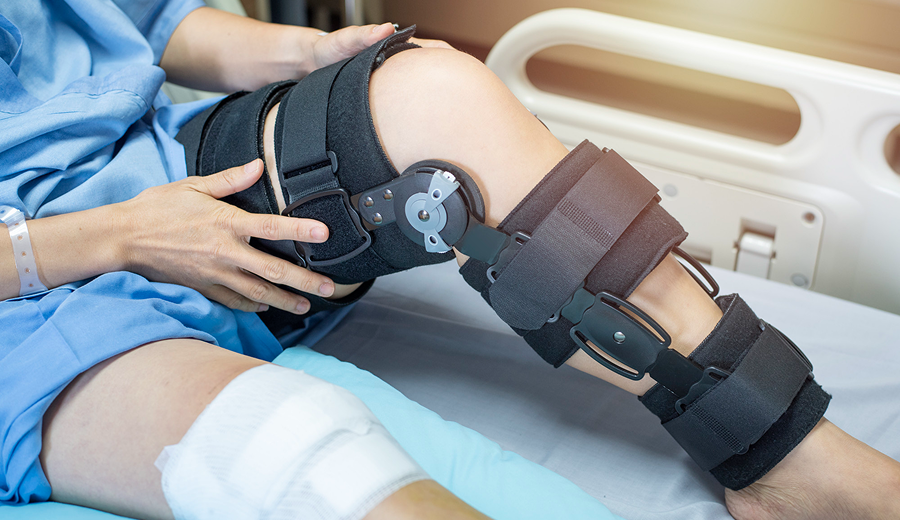

Navigation-assisted total knee replacement (TKR)
Navigation-assisted total knee replacement (TKR) uses advanced computer technology to improve the accuracy and outcomes of knee surgery. Here is a detailed note on this procedure under your requested headings
Results of Navigation-Assisted TKR
Navigation-assisted TKR generally leads to more accurate implant alignment, better mechanical axis restoration, and improved long-term joint function compared to traditional techniques. Studies show reduced risk of early failure and revision surgeries, as well as improved patient satisfaction due to more natural knee movement.
What Happens During Navigation-Assisted TKR
During the procedure, the surgeon uses a navigation system that tracks the position of the knee and surgical instruments in real time. This system uses cameras and trackers to provide continuous feedback, ensuring precise bone cuts and implant placement. The navigation system helps avoid the need for intramedullary rods, minimizing bone trauma and improving surgical accuracy.
How to Prepare for the Surgery as a Patient
Patients should undergo a comprehensive pre-surgical evaluation, including clinical examination and imaging (X-rays, CT scans). Routine blood tests and medical clearance are necessary, and patients may be asked to stop certain medications before surgery. Fasting guidelines and pre-surgery instructions are provided, and physiotherapy advice is often recommended for post-operative recovery.
What All Tests Are Required for the Same
The required tests for navigation-assisted TKR include:
- Routine blood tests (CBC, ESR, RBS, RFT, PT-INR, Viral Serology).
- Electrocardiogram (ECG/ECHO) to check heart health.
- Chest X-ray to screen for lung issues.
- Advanced imaging such as X-rays, MRI, or CT scans to assess knee anatomy and plan implant placement.
- Urinalysis to check for infections or other diseases.
- Dental consultation to rule out foci of infection.
- Basic fitness check for anesthesia.
These tests ensure the patient is healthy enough for surgery and enable precise planning.
Procedure Details
What Happens During the Procedure
The procedure steps include:
- Preoperative planning using imaging and navigation software.
- Patient positioning and surgical exposure.
- Fixation of marker pins to the tibia and femur.
- Registration of anatomical landmarks and mechanical axes using the navigation system.
- Fine-tuning of component size, flexion, extension, rotation, and positioning.
- Navigation-guided placement of cutting blocks and ligament balancing.
- Bone cuts, implant trials, soft-tissue releases, and final implantation with computer assistance.
What Is the Usual Recovery Time ?
The typical recovery time for navigation-assisted TKR is about 4 to 6 weeks for most patients to resume light activities, with full recovery and return to normal activities taking 3 to 6 months. Physical therapy is usually started soon after surgery to help regain strength and mobility.
Doctors & Departments
Departments and Specialties
Astenortho has one of the largest and most experienced practices. Staff skilled in dozens of specialties work together to ensure quality care and successful recovery.
Departments with Related Expertise
Doctors Who Perform This Procedure
Care at Astenortho
Astenortho's Approach
Cutting-Edge Technology
AstenOrtho is Kerala’s Most Tech-Advanced Orthopaedic Hospital, with advanced robotics and some of the finest health-tech, which has proven time and again to give excellent patient outcomes. Our seasoned specialists combine their experience and AstenOrtho’s technological edge to keep evolving the AS.10 Robotic Precision Protocols; to keep pushing the bar of the care delivery models.
Collaboration
We host some of the best surgeons, specialists, therapists, and healthcare workers who work as one strong team to ensure best possible treatment outcomes, and ‘Zero Compromise Care’ for our patients at AstenOrtho.
Compassion
We understand the human urge of keep doing and wanting to do the things they love. At AstenOrtho, ‘Do What You Love’ is the core philosophy that drives us to ensure that we give our best shot in achieving the ‘Desired Mobility’, our patients need.
Experience and Patient Stories

Our Centres & Departments










Costs and Insurance
AstenOrtho is empanelled with leading insurance providers both within and outside India. For more details on a specific insurance provider or to understand the insurance process, you can write to us: hello@astenortho.com
Contents


