About
Overview
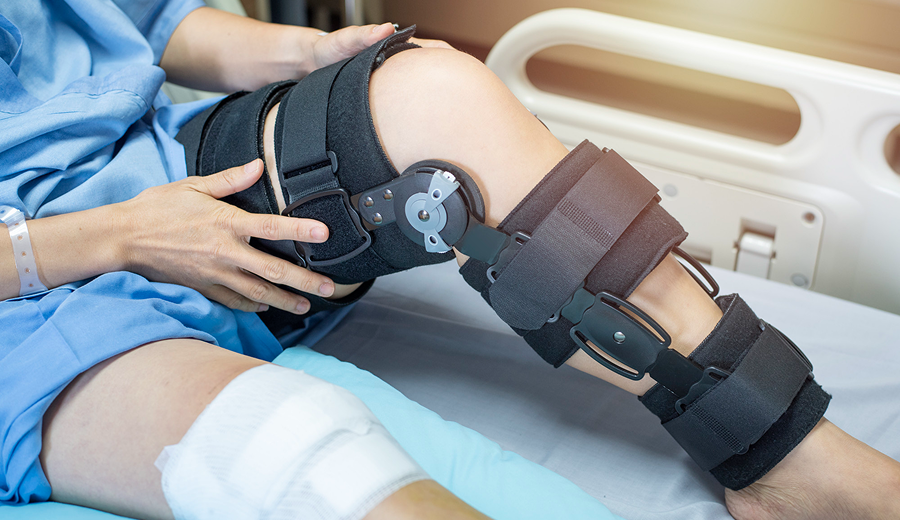

What is pain management?
Pain management helps you regulate pain with medications, procedures, exercises and therapy. Pain management specialists may recommend one approach or a combination of several to prevent, reduce or relieve pain. You may receive care in a pain clinic, your healthcare provider’s office or a hospital.
Pain is the most common symptom of thousands of injuries and conditions you can experience in your lifetime. It can also result from treatments for conditions and injuries or be the main feature of a condition (a pain disorder). Pain can last a short time and go away when you heal (acute pain). Or it can last for months or years (chronic pain).
Pain is very complex, and everyone experiences it differently. It’s also not something we can see — and a lot of people have “invisible” conditions that cause pain. These factors — and several others — can make it difficult to seek help for pain. You may be worried that others won’t take you seriously or that the pain will never go away. Know that it’s important to get medical help. No one should struggle through pain every day.
Depending on the cause and type of pain, it may not be possible to find total relief. And the pain may not get better right away. The goal of pain management is to improve your quality of life and functioning, like doing daily tasks, enjoying your usual activities, working and/or attending school. Your provider or healthcare team will work with you to adjust your pain management plan so you can feel better.
Who needs pain management?
Anyone with pain — either acute or chronic pain — can benefit from a pain management plan. A comprehensive plan can help you manage pain that lasts a few days (such as after an injury or surgery). It can also help if you have long-term pain from health conditions.
Pain is the main symptom of a wide range of injuries, infections and diseases. Some of the most common conditions that cause pain include:
- Arthritis and muscle and joint injuries.
- Autoimmune conditions, like Crohn’s disease, lupus and fibromyalgia.
- Burns.
- Cancer.
- Causes of neuropathic pain, like pinched nerves, peripheral neuropathy and trigeminal neuralgia.
- Chronic pain disorders, like complex regional pain syndrome (CRPS) and central pain syndrome.
- Circulatory disorders, like peripheral artery disease.
- Endometriosis.
- Headaches and migraines.
- Spine- or spinal cord-related conditions or injuries.
Who do I see for pain management?
If you don’t know the cause of your pain, you may want to start with your primary care provider. They can start the diagnostic process and refer you to a pain management team or clinic. If you have a diagnosis, talk to your provider who manages the condition about starting a more involved pain management plan.
You may have a team of pain management specialists who work together to help you manage long-term or severe pain. These specialists work in a field of medicine called algiatry. Your team may include:
- Pain management specialists.
- Anesthesiologists.
- Specialists on any other medical conditions you may have, like oncologists or neurologists.
- Nurses.
- Mental health providers, like psychologists and psychiatrists.
- Physical and/or occupational therapists.
- Complementary or integrative health providers.
- Social workers.
To further evaluate your pain and the cause of it, your team may recommend certain tests and assessments, like:
- Physical exam.
- Neurological exam.
- Laboratory tests (blood, urine and cerebrospinal fluid tests).
- Imaging tests, like MRI (magnetic resonance imaging) and CT scans (computed tomography scans).
- Electrodiagnostic studies, like nerve conduction studies and EMG (electromyography).
- How pain affects various aspects of your life, like your mood, ability to do everyday tasks, relationships and work.
What are different types of pain management?
Your healthcare provider or pain management team may recommend one approach or a combination of several pain management techniques. It may involve treating the underlying cause of pain and/or managing pain as a symptom.
How well a particular treatment works varies from person to person — even for the same cause of pain. Providers typically start with minimally invasive or conservative pain management therapies before trying riskier ones. But there’s no single “right” approach for pain management for all people.
At-home remedies for pain management
You may be able to relieve pain from injuries to muscles and soft tissues at home. Ask your provider about the RICE method (rest, ice, compression and elevation) and heat and cold therapy.
Certain lifestyle changes can relieve pain. If you have overweight or obesity, your provider may recommend reaching and maintaining a weight that’s healthy for you. Eating nutritious foods, drinking plenty of water, getting quality sleep and managing stress may help reduce pain.
Physical activity (like walking or swimming) and strength training may also reduce pain. These exercises can improve posture and help your body work better overall. They also benefit your mental health and help with balance. Talk to your healthcare provider before starting an exercise routine.
Physical and occupational therapy for pain management
Physical therapy is a treatment that helps you improve how your body performs physical movements. It can be part of a generalized pain management plan or a specific treatment for an injury or health condition.
Occupational therapy is a treatment that helps you improve your ability to do daily tasks. It can help you learn how to move through your environment or use different tools to participate in your activities in a way that minimizes pain.
Psychotherapy for pain management
Psychotherapy (talk therapy) is a term for a variety of treatment techniques that aim to help you identify and change unhealthy emotions, thoughts and behaviors. It can help you manage or change how you experience pain.
Because chronic pain can also lead to depression and anxiety, your provider may recommend psychotherapy and/or medications for your mental health, too.
Cognitive behavioral therapy (CBT), in particular, can help you build skills to cope with the emotional load of experiencing chronic pain and any associated mental health conditions. These skills may include addressing thoughts and emotions that can increase pain, relaxation strategies and mindfulness techniques. Some people keep a pain diary to keep track of what makes pain better or worse. These details can help your provider plan treatment.
Complementary medicine therapies for pain management
Complementary medicine is a term that describes the types of treatments you may receive along with traditional Western medicine. Types of complementary medicine therapies that may help with pain include:
- Massage therapy.
- Chiropractic adjustments or osteopathic manipulative treatment (OMT).
- Acupuncture.
- Biofeedback.
- Meditation.
- Breathwork.
- Yoga.
- Reflexology.
- Aromatherapy.
- Dietary supplements and herbal remedies
Medical procedures and devices for pain management
A variety of medical procedures may help manage pain. Certain procedures use electrical stimulation of nerves or soft tissue to help manage pain. They include:
- Transcutaneous electrical nerve stimulation (TENS).
- Peripheral nerve stimulation.
- Spinal cord stimulation.
Other procedures and devices for pain management include:
- Radiofrequency ablation.
- Basivertebral nerve ablation (Intracept® procedure).
- Steroid injections.
- Nerve blocks.
- Botulinum toxin (Botox®) injections.
- Patient-controlled analgesia (PCA) pump or baclofen pump.
- Surgery to address the underlying cause of pain, like spine surgery, for example.
Most of these options fall under the approach of interventional pain management. It aims to help manage pain with minimally invasive medical procedures to help you get back to everyday activities quickly. Interventional pain management tries to avoid heavy reliance on medications.
Medications for pain management
Depending on the type of pain, your provider may recommend prescription or over-the-counter (OTC) medications to relieve pain (analgesics). Several types of medications may help, including:
- Nonsteroidal anti-inflammatory drugs (NSAIDs), like aspirin and ibuprofen.
- Acetaminophen.
- Topical analgesics, like lidocaine or capsaicin cream.
- Antiseizure medications, like gabapentin and pregabalin.
- Antidepressants, like tricyclic antidepressants and SNRIs.
- Muscle relaxers.
- Corticosteroids.
- Opioids.
Healthcare providers typically aim to avoid the use of opioids when possible due to their high addiction potential.
Clinical trials for pain management
Researchers are actively studying countless new pain management treatments for various causes of pain. Ask your provider if participating in a clinical trial is an option for you.
Opioids.
Healthcare providers typically aim to avoid the use of opioids when possible due to their high addiction potential.
Clinical trials for pain management
Researchers are actively studying countless new pain management treatments for various causes of pain. Ask your provider if participating in a clinical trial is an option for you.
Risks / Benefits
What are the advantages of pain management?
Chronic pain is very complex. It can change the way your brain and nervous system work and evolve over time. So, a comprehensive pain management approach led by experts is likely the best way to tackle it. It isn’t always possible to find total relief from pain. But you may be able to reduce pain or learn to respond to it differently.
Many people with chronic pain have a better quality of life with a pain management program and feel better physically and mentally. Studies show that current chronic pain treatments can result in about a 30% decrease in pain scores.
What are the risks or complications of pain management?
Different pain management approaches have their own risks, side effects and complications. And these may vary from person to person based on other conditions you have or medications you take.
For example, overuse of acetaminophen — an over-the-counter medication — is the most common cause of acute liver failure in the U.S. And prescription opioids put you at risk for opioid use disorder. Surgeries or more invasive procedures have specific risks, too, like infection and permanent nerve damage.
Talk to your healthcare provider about the risks and benefits of each pain management therapy before starting it. Don’t hesitate to ask questions. Your provider is there to help you, not judge you.
Recovery
How effective are pain management plans?
Depending on the cause of pain and your unique characteristics, it may take time — and several different therapies — before you find the right approach that works for you. For example, less than 50% of people with neuropathic pain experience adequate pain relief with a single therapy.
Your pain might not go away completely. Your pain management plan is more likely to be effective if you work closely with your provider or team and adjust the plan as your needs change.
When To Call the Doctor
When should I see my healthcare provider about pain management?
See your provider if:
- Discomfort and pain are keeping you from enjoying your usual activities.
- Pain doesn’t get better, worsens or comes back after treatment.
- You feel anxious or depressed.
- You’re having trouble sleeping because of pain.
Doctors & Departments
Departments and Specialties
Astenortho has one of the largest and most experienced practices. Staff skilled in dozens of specialties work together to ensure quality care and successful recovery.
Departments with Related Expertise
Doctors Who Perform This Procedure


Care at Astenortho
Astenortho's Approach
Cutting-Edge Technology
AstenOrtho is Kerala’s Most Tech-Advanced Orthopaedic Hospital, with advanced robotics and some of the finest health-tech, which has proven time and again to give excellent patient outcomes. Our seasoned specialists combine their experience and AstenOrtho’s technological edge to keep evolving the AS.10 Robotic Precision Protocols; to keep pushing the bar of the care delivery models.
Collaboration
We host some of the best surgeons, specialists, therapists, and healthcare workers who work as one strong team to ensure best possible treatment outcomes, and ‘Zero Compromise Care’ for our patients at AstenOrtho.
Compassion
We understand the human urge of keep doing and wanting to do the things they love. At AstenOrtho, ‘Do What You Love’ is the core philosophy that drives us to ensure that we give our best shot in achieving the ‘Desired Mobility’, our patients need.
Experience and Patient Stories

Our Centres & Departments










Costs and Insurance
AstenOrtho is empanelled with leading insurance providers both within and outside India. For more details on a specific insurance provider or to understand the insurance process, you can write to us: hello@astenortho.com
Contents


